
From Diversity to Belonging: Why Intercultural Competence Is the Next Step
We’ve spent years talking about diversity. And rightly so. Representation matters. It’s a reflection of justice, equity, and progress. Many organizations and communities have made meaningful strides in ensuring that people from different races, ethnicities, genders, and nationalities finally have a seat at the table.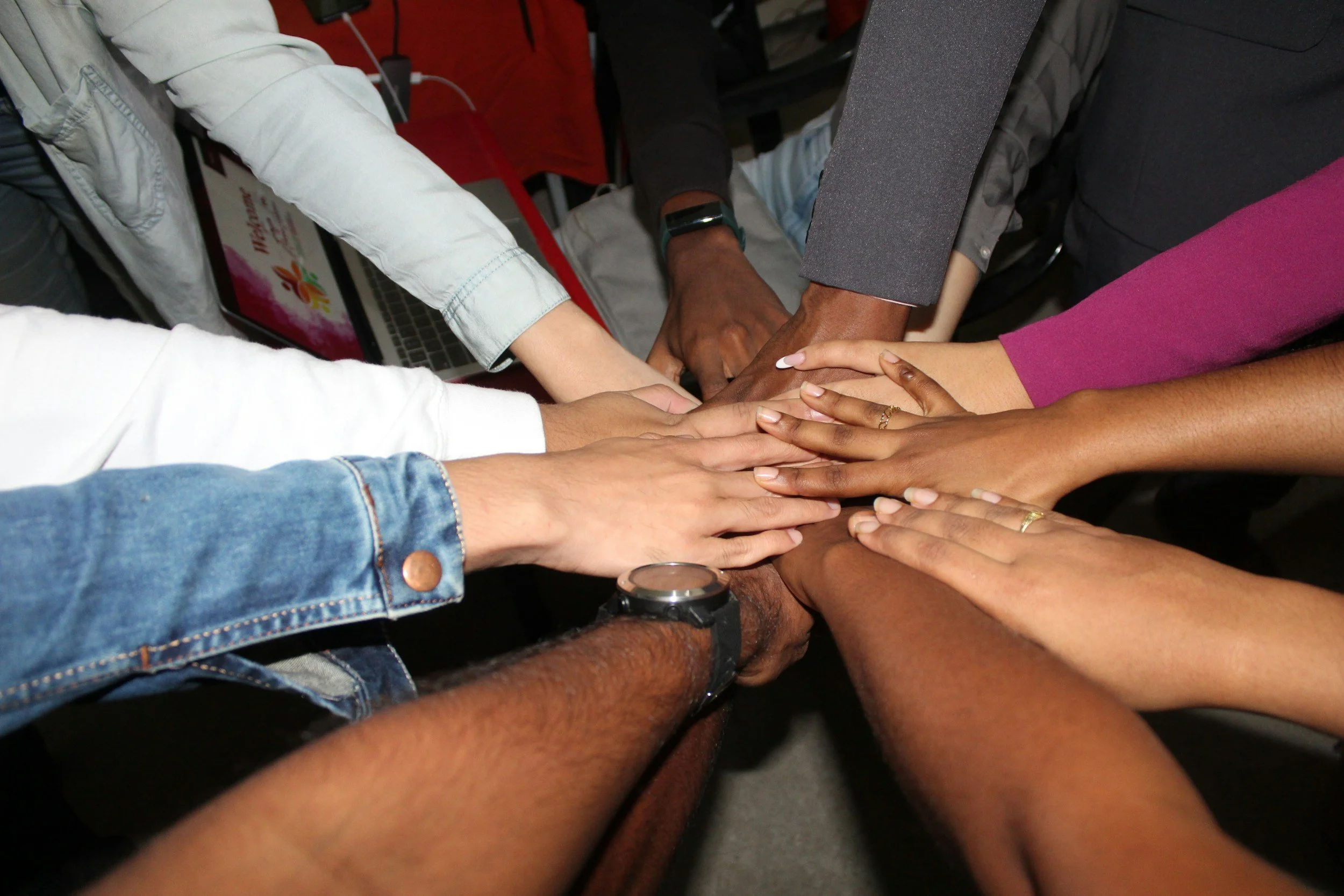
But here’s the question we must ask: Now that we’re sitting at the same table, do we truly understand each other?The Limits of Representation
Diversity is a necessary first step, but it’s not the finish line. We can fill our workplaces, schools, and churches with people from all backgrounds and still miss connection. Representation without a relationship leads to frustration. It can even create environments where people feel present but not heard, included but not valued.True belonging requires more than numbers or quotas; it requires understanding. It’s about creating spaces where people don’t just show up but show up as their authentic selves without fear of being misunderstood or dismissed.The Missing Link: Intercultural Competence
The real challenge we face today isn’t a lack of diversity, instead, it’s a lack of intercultural competence.Intercultural competence is the ability to engage across cultural differences with humility, empathy, and adaptability. It means learning to suspend judgment, to listen deeply, and to seek understanding before offering solutions. It’s not just about knowing that people are different. It’s about knowing how to connect amid those differences.Without intercultural competence, diverse spaces can become tense spaces. Miscommunication, assumptions, and cultural blind spots can quietly erode trust. But with intercultural competence, diversity becomes a bridge to belonging.From Diversity to Belonging
I remember one particular staff retreat early in my career. We had a beautifully diverse team that had different races, nationalities, and faith traditions represented around the table. On paper, it was a picture of progress.
But as the conversation deepened, tension began to surface. What one person viewed as “direct communication,” another experienced as “disrespect.” What was meant as openness felt like confrontation. We were speaking the same language, but our meanings were worlds apart.It was at that moment I realized: diversity had brought us together, but intercultural competence was what would help us stay together. We didn’t need more training on policies or statistics; what we needed to learn was how to listen across differences. That experience reshaped the way I approach leadership and ministry ever since.Belonging is what happens when diversity and intercultural competence meet. It’s the fruit of intentional relationships built on curiosity, compassion, and mutual respect. When people feel seen and valued, not just for their presence, but for their perspective, culture shifts.
This is the work that transforms communities, classrooms, and churches. It’s what moves us from simply counting who’s in the room to caring for who’s in the room.A Call Forward

So as we celebrate diversity, let’s not stop there. Let’s ask the harder question: How can we grow in intercultural competence so that everyone, regardless of background, truly experiences belonging?
Because diversity is a milestone. Belonging is the mission.